Structural Drying in Newport, RI
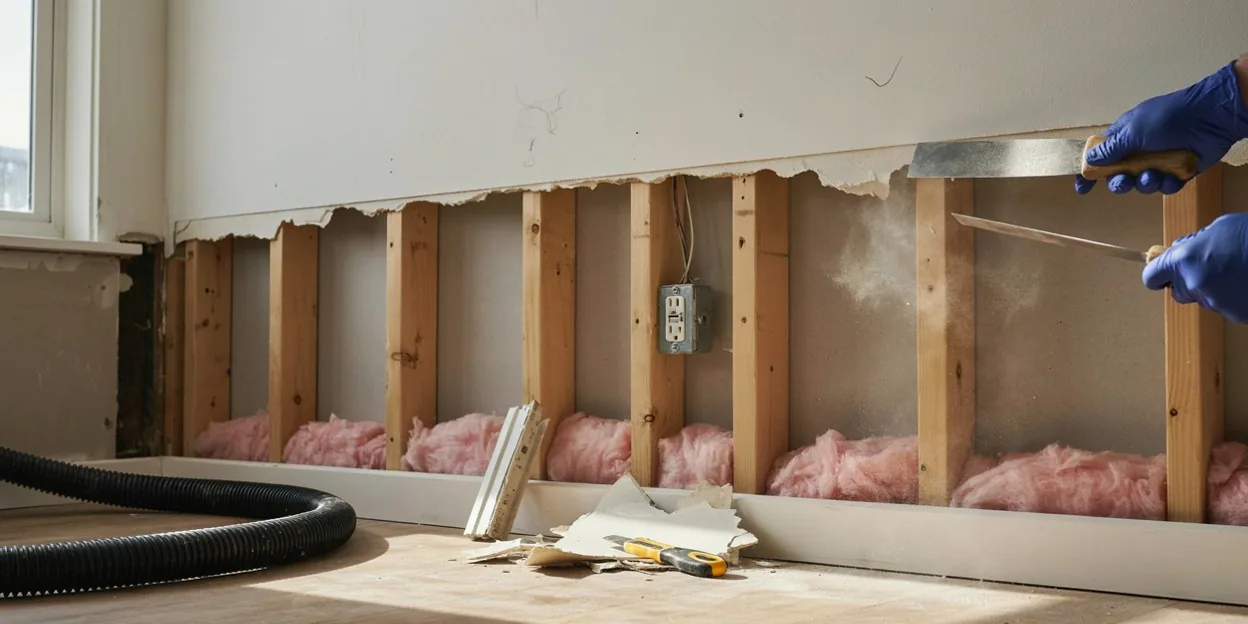
The plumber fixed the split line in the Historic Hill kitchen on Tuesday. By Friday the floor looked dry, the wall felt dry, and the whole downstairs still smelled like a wet boathouse. That smell is the sill, the joists, and the back of the plaster giving up water that a fan on the counter never reached. This site puts you through to an independent local provider who dries out houses in Newport and across Newport County.
Reading the wood and the plaster instead of guessing
Drying starts with a meter, not a machine. The crew reads the subfloor, the base of each wall, the joists from the cellar, and the framing around any opening the water reached, then compares each number to a dry reference upstairs. Those numbers set the drying goal. Old timber and horsehair plaster have their own dry points, and the crew reads them against the same material that stayed dry, not against a chart written for new lumber.
Then equipment goes in by the readings. Air movers keep air moving across the wet boards and plaster so the moisture inside them has somewhere to go. Dehumidifiers take that moisture out of the room air before it can settle into the next parlor over. In a stone cellar the dehumidifier does most of the work, because the walls themselves hold water and the air down there is already heavy.
Keeping the house livable while the machines run
Leave the equipment running. Turning it off overnight because of the noise adds a day for every night. Keep the doors to the drying area the way the crew left them, open or closed, since they set the airflow on purpose. Do not push a wet rug back into place or move a dresser back against a metered wall. If a plaster wall is being dried from the cavity side through small holes at the base, leave the holes alone until the readings say done.
Call the provider if a new stain appears, if a floor starts to lift, or if the dehumidifier stops filling. Those are signs that water is still coming from somewhere.
Salt air, slate roofs, and why drying takes longer here
Newport sits between the harbor and the open Atlantic, and the outdoor air most of the year is close to saturated. A dehumidifier fighting that air in a cellar dug in 1760 has more to do than the same machine in a dry inland basement. Salt left behind by harbor water makes it worse, since salt in wood and plaster keeps pulling moisture back out of the air after the standing water is gone. A house that took salt water in the cellar can read dry one week and damp the next unless the crew stays on it.
The houses add their own delays. Wide pine boards over a full-depth cellar dry from both sides, which helps, but the sill sits inches from damp stone and takes the longest. A Gilded Age carriage house on Bellevue Avenue with a slate roof and a cold attic holds moisture in the roof deck long after the ceiling below reads dry. The crew reads all of it before pulling the equipment.
Drying is one job, and the rebuild is another
Once the readings hit their goal, the crew logs the final numbers and pulls the machines. Plaster patching, floor refinishing, and paint come after, and often from a different company. Ask the provider which company handles the rebuild and whether the plaster repair matches the original. Drying that follows salt water is usually part of a storm surge and coastal flood cleanup. Drying that follows a flooded fieldstone cellar is the back half of a stone cellar flooding cleanup. Drying that follows an ice dam is the back half of roof leak and ice dam water damage work.
Adjusters ask for the drying log. It shows the readings on day one, the equipment placed, and the readings each day after, and it is the record that says the house was dried instead of just aired out.
When the floor looks dry but the house still smells wet
Say when the water came in, when it stopped, what has run since, and whether any of the water was salt. Mention plaster walls, wide board floors, or a stone cellar. Call (401) 560-5802.